
Why Marine Sobriety Tests May Be Unreliable in BUI Investigations
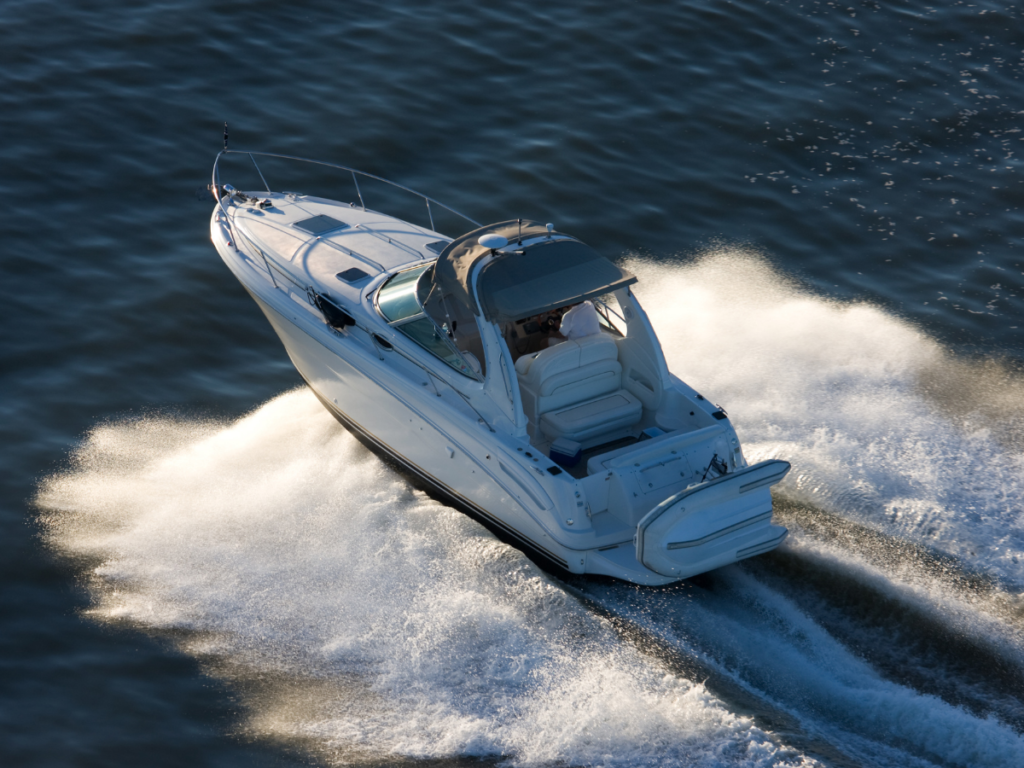
A day on Colorado’s lakes and reservoirs can quickly take an unexpected turn if law enforcement suspects boating under the influence (BUI). Unlike a routine traffic stop, a BUI investigation often takes place on unstable docks, rocking boats, or uneven shorelines after hours spent exposed to the sun, wind, and waves.
These conditions can make it difficult for even a completely sober person to perform well on marine field sobriety tests. In fact, many factors unrelated to alcohol or drugs can affect balance, coordination, and mental sharpness after spending time on the water.
Kylie Whitaker and Ehren Penix are experienced Fairplay BUI defense attorneys. The legal team at Whitaker & Penix, LLC is ready to challenge every aspect of the investigation, looking for opportunities to get the charges against you reduced or dismissed.
Understanding Boating Under the Influence in Colorado
Colorado law prohibits operating a vessel while under the influence of alcohol, drugs, or a combination of substances that substantially impair a person’s ability to safely operate the boat. Similar to DUI cases involving motor vehicles, prosecutors may rely upon several forms of evidence, including:
- Officer observations
- Statements made by the operator
- Chemical breath or blood testing
- Physical evidence
- Performance on marine field sobriety tests
What Are Marine Field Sobriety Tests?
A marine field sobriety test is a collection of physical and cognitive exercises designed to help officers assess whether a boat operator may be impaired. An officer may ask a person to:
- Walk along a dock
- Stand on one leg
- Touch their finger to their nose
- Estimate the passage of time
- Recite portions of the alphabet
- Count backward
- Perform divided-attention exercises
These tests are intended to evaluate coordination, balance, attention, and the ability to follow instructions. But many of these abilities are influenced by environmental conditions that have nothing to do with intoxication.
The Marine Environment Can Affect Everyone
Perhaps the biggest weakness of marine field sobriety tests is that they often occur after an individual has spent hours adapting to movement on the water.
Even experienced boaters experience physical effects from prolonged boating, including:
- Muscle fatigue
- Changes in equilibrium
- Mild dehydration
- Sun exposure
- Motion adaptation
- Physical exhaustion
Once a person returns to land, they may continue experiencing what some people describe as “sea legs.” Their body has adjusted to constant movement, making standing on solid ground temporarily feel unusual. This natural adjustment can affect balance and coordination even when no alcohol is involved.
Wind, Waves, and Weather Can Influence Test Performance
Colorado weather changes rapidly, particularly at higher elevations. During a boating trip, operators may encounter environmental factors that place additional physical demands on the body, including:
- Strong wind
- Choppy water
- Cold temperatures
- High altitude
- Bright sunlight
- Rain
- Glare reflecting off the water
After spending several hours compensating for waves and wind while operating a vessel, maintaining perfect balance during sobriety exercises may become considerably more difficult. Poor performance under these conditions does not necessarily indicate impairment.
Fatigue Can Mimic Signs of Impairment
Boating requires constant attention. Maintaining concentration over several hours is physically and mentally demanding. Fatigue caused by spending a day on the water can slow reaction time, reduce concentration, and affect coordination. These same characteristics are commonly cited by officers as possible indicators of intoxication.
Exposure to the Sun Can Affect Physical Performance
Many Colorado boaters spend an entire afternoon in direct sunlight. Extended exposure to the sun can cause dehydration, headaches, dizziness, muscle weakness, and slower mental processing, all of which can impair a person’s ability to work or perform everyday activities.
Even mild dehydration can noticeably affect coordination and cognitive performance. If an officer administers marine field sobriety tests after several hours in the sun, those environmental effects may influence the results just as much as any alleged impairment.
Dock Conditions Are Rarely Ideal
Many BUI investigations occur after officers ask a boat operator to step onto a dock or shoreline. Unlike level roadways, docks often feature uneven boards, gaps, moisture, slippery surfaces, and slight movement caused by wave action, creating conditions that increase the risk of slips, trips, and falls.
Even someone with excellent balance may struggle under these conditions. When evaluating boating under the influence cases, it is important to consider whether the testing location itself contributed to poor performance.
Medical Conditions Can Influence BUI Test Results
Numerous medical conditions unrelated to alcohol affect balance and coordination. An experienced Colorado BUI defense lawyer can investigate whether any medical condition could explain an individual’s performance during testing.
Examples include:
- Inner ear disorders
- Knee injuries
- Back problems
- Arthritis
- Neurological disorders
- Vision impairments
Effective Legal Defenses for BUI Charges
Depending on the circumstances, several legal defenses may apply. An experienced attorney can identify opportunities to challenge alleged BUI evidence before trial.
- Challenging the Marine Sobriety Tests. Because numerous environmental factors influence performance, the defense may argue that the exercises provide little reliable evidence of impairment.
- Challenging Officer Observations. Defense counsel may demonstrate that fatigue, dehydration, altitude, or weather better explains the officer’s observations.
- Challenging Chemical Testing. Blood or breath test procedures must comply with legal and scientific standards. Errors in testing procedures may reduce the reliability of chemical evidence.
- Challenging the Investigation. Law enforcement officers must comply with constitutional protections throughout the investigation. If officers violated your rights during the stop, detention, questioning, or arrest, certain evidence may become inadmissible.
Speak With an Experienced Park County BUI Defense Attorney
If you have been arrested for BUI, do not assume the evidence against you is beyond question! At Whitaker & Penix, LLC, we thoroughly evaluate every aspect of a BUI investigation, including the administration of marine field sobriety tests, officer observations, and chemical testing procedures.
Our attorneys provide honest guidance, personalized attention, and extensive criminal defense experience while representing clients throughout Park County and the surrounding communities. We offer free consultations for BUI and DUI clients.
Call (970) 368-0602 to discuss your case with an experienced Park County criminal defense attorney today.
Frequently Asked Questions About Marine BUI Tests
How reliable are marine field sobriety tests in BUI investigations?
Marine field sobriety are not always reliable indicators of impairment. Factors such as boat movement, fatigue, dehydration, sun exposure, wind, and uneven dock surfaces may affect a person’s balance and coordination even when they are sober. An experienced attorney can evaluate whether these conditions influenced the test results.
Can environmental conditions affect marine field sobriety test results?
Yes. Wind, waves, glare from the water, high altitude, extreme temperatures, and prolonged exposure to the sun can all impact physical performance.
Can I challenge marine field sobriety tests in a Colorado BUI case?
Yes. Depending on the circumstances, your lawyer may be able to challenge BUI evidence by questioning how the tests were administered, whether the testing location was appropriate, and whether environmental or medical factors affected your performance. Video footage, witness statements, and other evidence may also be used to dispute the officer’s conclusions.
Should I hire a lawyer if I failed a marine field sobriety test?
Yes. Failing a marine field sobriety test does not automatically mean you will be convicted of boating under the influence. A knowledgeable boating lawyer at Whitaker & Penix, LLC can examine the circumstances surrounding your arrest, identify weaknesses in the prosecution’s evidence, and determine whether your rights were violated during the investigation.