
Arson Evidence Can Make or Break Your Case. Here’s Why.
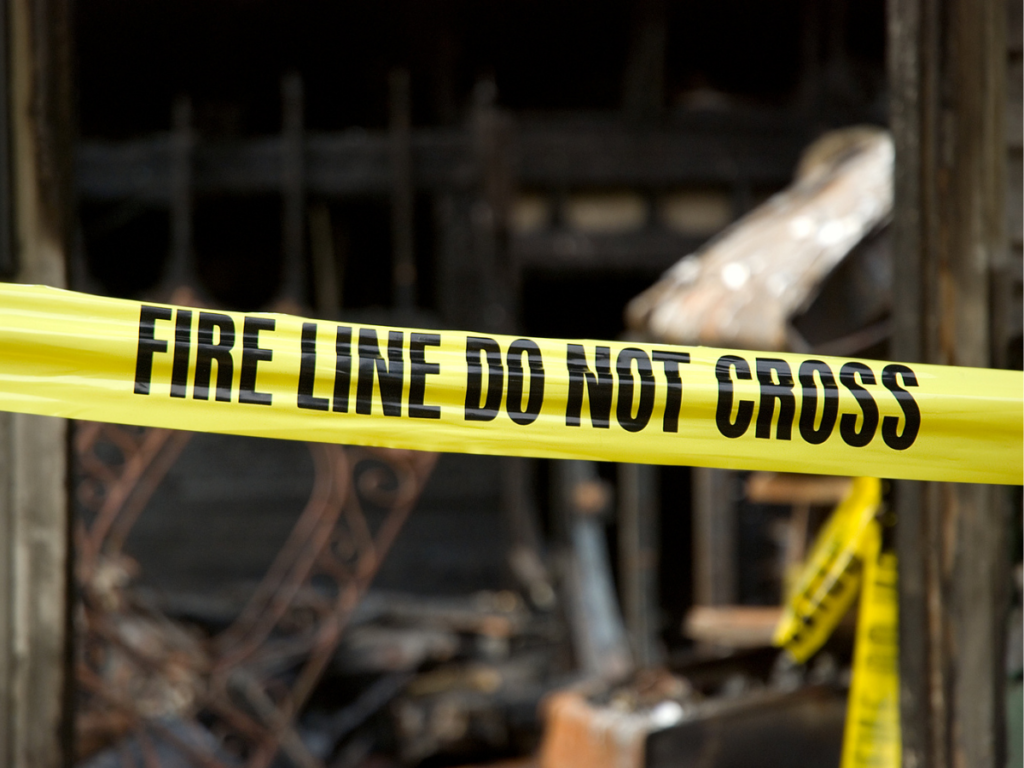
When prosecutors pursue arson charges in Fairplay CO, they may rely heavily on physical evidence collected from the fire scene. Burn patterns, debris samples, laboratory testing, investigator observations, photographs, and expert opinions can become the foundation of the prosecution’s case. But physical evidence is only as reliable as the methods used to collect, preserve, and analyze it.
In Colorado, the stakes are especially high because arson convictions carry severe penalties. First-degree arson involving an occupied structure is generally charged as a Class 3 felony, while first-degree arson involving a building is generally charged as a Class 4 felony. Given the serious consequences of a conviction, every piece of evidence deserves careful scrutiny.
Kylie Whitaker and Ehren Penix are experienced Fairplay arson defense attorneys. The legal team at Whitaker & Penix, LLC provides aggressive legal representation for our clients. We understand that challenging the integrity of evidence is one of the most effective defense strategies available.
Why Physical Evidence Is So Important in Arson Cases
Investigators typically rely on a wide range of evidence, including fire debris samples, suspected accelerant samples, burn pattern analysis, electrical components, laboratory reports, and scene photographs and diagrams. They also review witness statements, investigator notes, and expert opinions regarding the fire’s origin and cause.
Because these pieces of evidence often form the foundation of the prosecution’s case, they must be carefully collected, preserved, and analyzed. If evidence is mishandled, contaminated, or poorly documented, it can raise significant questions about the prosecution’s conclusions.
How Fire Investigations Are Conducted
Fire investigators generally begin by determining two essential questions:
- Where did the fire start?
- What caused it?
To answer these questions, investigators examine burn patterns, structural damage, electrical systems, fuel sources, witness accounts, and laboratory testing.
One of the most widely accepted resources used during fire investigations is NFPA 921: Guide for Fire and Explosion Investigations. NFPA 921 is not a law, but it serves as the industry’s leading guide for fire origin-and-cause investigations, documentation practices, scientific methodology, and evidence collection.
Courts frequently consider whether investigators followed accepted investigative principles when evaluating the reliability of their conclusions. Deviations from recognized investigative practices can become important issues during litigation.
Common Types of Arson Evidence
Every arson investigation is different, but prosecutors often rely on several categories of physical evidence. Each type of evidence can help investigators build a theory about where the fire started, how it spread, and whether human conduct played a role.
When building a case, prosecutors consider the following types of information:
- Fire-Scene Samples. Investigators frequently collect carpeting, wood, insulation, drywall, soil, or debris from areas believed to be the fire’s point of origin. These samples are later tested for traces of accelerants or other combustible materials.
- Accelerant Testing. Crime laboratories often analyze debris for gasoline, kerosene, lighter fluid, diesel fuel, or other ignitable liquids. Although laboratory testing can provide valuable information, positive test results do not automatically prove criminal conduct. Many common household products contain petroleum-based compounds that may produce similar findings.
- Investigator Notes. Detailed field notes document observations made during the investigation. Missing notes, inconsistent reports, or undocumented scene changes may affect the credibility of the investigation.
- Photographs and Video. Images help preserve the condition of the fire scene before evidence is removed. Missing photographs or incomplete documentation may create uncertainty regarding how evidence appeared when investigators first arrived.
- Expert Opinions. Because fire science is highly specialized, both prosecutors and defense lawyers often retain experts to evaluate the evidence and explain technical issues to a jury.
When Evidence Becomes Contaminated
Contamination occurs whenever evidence is altered before laboratory testing or courtroom presentation. This may happen intentionally or accidentally. Examples include:
- Samples stored in improper containers
- Debris mixed with unrelated materials
- Investigators walking through multiple burn areas without changing equipment
- Fuel contamination from emergency response vehicles
- Improper packaging
- Cross-contamination during transport
- Exposure to environmental conditions after collection
Investigation Errors Can Disrupt the Prosecution’s Case
Many criminal cases are won or lost based on procedural details rather than dramatic courtroom moments. Any of these common mistakes could cast doubt on the conclusions presented by the prosecution.
- Collecting evidence from the wrong location
- Failing to photograph evidence before removal
- Incomplete scene documentation
- Missing laboratory paperwork
- Inconsistent investigator reports
- Failure to preserve potentially exculpatory evidence
- Improper sample labeling
- Evidence stored in unsuitable containers
- Delayed submission for laboratory analysis
Understanding the Chain of Custody
Another critical issue is verifying the chain of custody. Documentation of the chain of custody is the written record showing who possessed each piece of evidence from collection through courtroom presentation. Every transfer should be clearly recorded.
This documentation helps ensure the evidence was not altered, substituted, or contaminated and that it remained securely stored throughout the investigation. If significant gaps exist in the chain of custody, the defense may argue that the evidence cannot be considered reliable.
For example, unanswered questions may include:
- Who handled the evidence?
- Where was it stored?
- Was the evidence sealed?
- Was the seal ever broken?
- Was access restricted?
Expert Witnesses May Disagree
An experienced Fairplay criminal defense lawyer can work with independent experts who know how to evaluate the prosecution’s conclusions and identify alternative explanations that are supported by the evidence. Experts may reasonably disagree about important factors such as:
- Fire origin
- Burn patterns
- Electrical causes
- Accidental ignition sources
- Accelerant interpretation
Your Attorney Will Review the Evidence
If you are facing arson charges in Fairplay, your attorney can carefully evaluate every aspect of the investigation to determine whether the investigation followed accepted procedures.
Prosecutors are required to prove that evidence supports the allegations against you beyond a reasonable doubt. Your attorney may be able to dismantle their case by reviewing key evidence such as:
- Fire reports
- Investigator notes
- Laboratory records
- Scene photographs
- Search warrants
- Collection procedures
- Chain of custody documentation
- Expert reports
- Witness interviews
Speak With a Trusted Fairplay Arson Defense Lawyer
At Whitaker & Penix, LLC, we provide knowledgeable representation that is backed by a deep understanding of local courts throughout the Sixth Judicial District. Kylie and Ehren believe every client deserves personal attention and clear communication from their attorney throughout the legal process.
To learn more, call (970) 368-0602 and schedule your free consultation today.
Frequently Asked Questions About Arson Investigations in Fairplay
What is the chain of custody in an arson case?
The chain of custody is the documented record showing who collected, handled, transported, stored, and tested each piece of evidence. If there are gaps in this documentation or evidence was improperly handled, a defense attorney may challenge its reliability in court.
Can contaminated evidence be used in an arson prosecution?
Contaminated evidence may still be presented by the prosecution, but its credibility can be challenged. If fire-scene samples were improperly collected, stored, or exposed to outside contaminants, the defense may argue that the evidence is unreliable and should be given less weight.
What is NFPA 921, and why does it matter in arson cases?
NFPA 921 is a nationally recognized guide for fire and explosion investigations. It provides accepted methods for determining a fire’s origin and cause, documenting the scene, and handling evidence. Courts often look to NFPA 921 when evaluating whether investigators followed reliable scientific practices.
Can mistakes during a fire investigation help my defense?
Yes. Errors such as improper evidence collection, poor documentation, mislabeled samples, missing photographs, or breaks in the chain of custody may weaken the prosecution’s case. An experienced Colorado arson defense lawyer can examine whether these issues create reasonable doubt.