
Was the Fire an Accident? How Colorado Arson Laws Work in Dillon
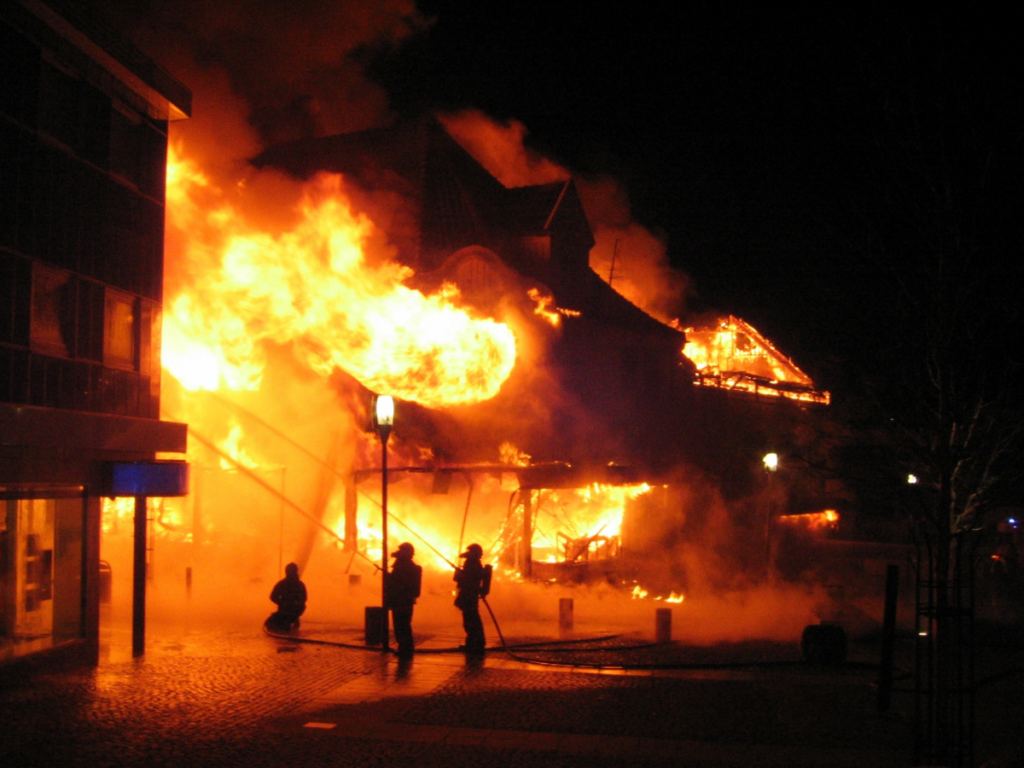
Colorado’s dry climate, wildfire risks, dense forests, and seasonal tourism create heightened concerns whenever a fire damages homes, businesses, or public land. Prosecutors and investigators move aggressively when they suspect a fire may have been intentionally or recklessly caused.
Colorado arson cases involve complicated questions about what happened, how the fire started, and whether the accused person acted knowingly or recklessly. Understanding how Colorado’s arson statutes work is essential if you or someone you know is facing allegations related to a fire in Summit County.
The Dillon criminal defense attorneys at Whitaker & Penix, LLC understand the serious consequences of arson charges in Colorado. Our attorneys help clients navigate complex criminal investigations while protecting your rights throughout the legal process.
Understanding Colorado Arson Laws
Colorado divides arson offenses into four primary categories under C.R.S. §§ 18-4-102 through 18-4-105: First-degree arson, Second-degree arson, Third-degree arson, and Fourth-degree arson
The severity of the charge depends on:
- The type of property involved
- Whether people were endangered
- The amount of damage caused
- Whether prosecutors believe the fire was intentional or reckless
First-Degree Arson in Colorado
Under Colorado law, first-degree arson involves knowingly setting fire to or burning another person’s building or occupied structure.
This is the most serious arson offense under Colorado law because of the danger it creates for human life.
Examples may include:
- Intentionally setting fire to a home
- Burning an occupied apartment building
- Setting fire to a business structure
- Damaging an occupied cabin or lodge
Prosecutors aggressively pursue first-degree charges, especially when a fire threatens occupied structures.
Penalties for First Degree Arson
First-degree arson penalties in Colorado are severe and may include:
- Significant prison sentences
- Large fines
- Mandatory restitution
- A permanent felony record
Second-Degree Arson
Second-degree arson applies when someone knowingly damages property by starting or maintaining a fire or explosion, even if the property is not an occupied structure. The severity of second-degree arson charges may depend heavily on the value of the damaged property.
This charge often involves:
- Commercial property
- Vehicles
- Detached structures
- Personal property
- Vacant buildings
Third Degree Arson
Third-degree arson often involves fraudulent or deceptive conduct involving fires, such as setting property on fire for insurance fraud. Third-degree arson allegations may arise when prosecutors believe someone intentionally damaged property to:
- Collect insurance money
- Conceal another offense
- Financially benefit from the loss
Fourth-Degree Arson
Fourth-degree arson charges involve a different mental state than the higher-level offenses. Instead of proving someone acted knowingly, prosecutors only need to show the person recklessly started or maintained a fire that placed another person or property at risk.
Examples may include:
- Negligently abandoned campfires
- Burning debris during dangerous weather conditions
- Careless handling of fireworks
- Outdoor fires spreading unexpectedly
Knowingly, Recklessly, and Criminal Intent
When it comes to the defendant’s intent, the distinction between knowingly and recklessly can dramatically affect both charges and potential penalties.
Knowingly generally means the person was aware their conduct was practically certain to cause the prohibited result. Recklessly means the person consciously disregarded a substantial and unjustifiable risk.
This difference matters because:
- Knowingly causing a fire usually carries harsher felony penalties
- Reckless conduct may support lesser charges
- Defense strategies often focus heavily on intent
How Arson and Criminal Mischief Can Overlap
Prosecutors sometimes file criminal mischief and arson charges together when they believe someone intentionally used fire to damage property.
Examples may include:
- Setting fire to someone else’s vehicle
- Burning personal belongings during a domestic dispute
- Damaging business property with fire
- Intentionally destroying property for revenge or insurance purposes
How Prosecutors Attempt to Prove Arson
Arson cases frequently rely on circumstantial evidence rather than direct eyewitness testimony. Prosecutors may attempt to build cases using:
- Fire origin analysis
- Accelerant testing
- Surveillance footage
- Witness statements
- Insurance records
- Cell phone data
- Financial motives
- Prior disputes involving the property
Effective Legal Defense Strategies in Colorado Arson Cases
Effective defense strategies in an arson case involve aggressive factual and scientific challenges.
- Challenging Intent. One of the most important defenses is to dispute intent by arguing that the evidence does not support reckless behavior. An attorney may argue that the fire was accidental, the accused lacked criminal intent, or the fire resulted from negligence rather than knowing conduct.
- Disputing Fire Origin Evidence. Fire investigators may disagree about how a fire started. Defense attorneys work with independent experts to evaluate evidence such as burn patterns, accelerant evidence, structural damage, and fire spread analysis. Demonstrating improper assumptions or flawed forensic methods can significantly weaken the prosecution’s case.
- Challenging Witness Credibility. Some arson allegations arise during property disputes, insurance conflicts, domestic disputes, or business disagreements. Defense attorneys may challenge a witness’s motives, inconsistent statements, financial incentives, or the reliability of their testimony.
- Working With Fire Experts. Independent fire experts can play a major role in Colorado arson defense cases. These experts may help reconstruct fire events, identify accidental causes, review investigative procedures, and challenge unreliable conclusions. Because fire scenes are highly technical, expert analysis may significantly influence the outcome of the case.
What To Do If You Are Under Investigation
Attempting to explain the situation without legal representation can unintentionally harm your defense. If you believe you are being investigated for arson or reckless burning in Dillon or Summit County:
- Do not speak to investigators without legal counsel
- Preserve any communications or records related to the property
- Avoid discussing the case publicly
- Do not consent to searches without legal guidance
- Contact an experienced Summit County criminal defense attorney right away
Speak With a Trusted Dillon Arson Defense Attorney
Kylie Whitaker and Ehren Penix at Whitaker & Penix, LLC are former prosecutors who offer an important perspective and know how to dismantle flawed arguments and inconclusive evidence.
Our firm has an A+ rating from the Better Business Bureau, and Kylie has been recognized as a Rising Star by Super Lawyers based on peer recognition and independent research.
Call (970) 368-0602 for a free consultation today.
FAQs About Colorado Arson Laws in Dillon
How do prosecutors attempt to prove arson charges in Summit County?
Prosecutors often rely on fire investigators, forensic experts, witness statements, surveillance footage, and physical evidence from the scene of the fire. Investigators may also examine financial motives, property disputes, or insurance claims when building their case.
What is the difference between knowingly and recklessly in relation to criminal intent?
Knowingly generally means a person understood their actions were practically certain to cause the fire or damage. Recklessly means the person consciously disregarded a substantial risk. This difference can significantly affect the severity of the charges, potential penalties, and available defense strategies.
Can an accidental campfire lead to criminal charges in Colorado?
Yes, in some situations. If prosecutors believe a person acted carelessly by ignoring fire restrictions, weather conditions, or safety precautions, they may pursue fourth-degree arson or reckless burning charges. An experienced Dillon arson defense lawyer may challenge whether the evidence supports a finding of criminal recklessness or intentional conduct.
How can a Summit County arson defense lawyer help?
A Summit County arson defense lawyer can investigate the fire scene, challenge the prosecution’s evidence, work with independent fire experts, and dispute allegations involving criminal intent. Defense attorneys may focus on challenging fire origin conclusions, disputing witness credibility, and demonstrating that the fire resulted from an accident rather than criminal conduct.