
Can a DUI in Your Personal Vehicle Cost You Your Commercial Driver’s License (CDL) in Colorado?
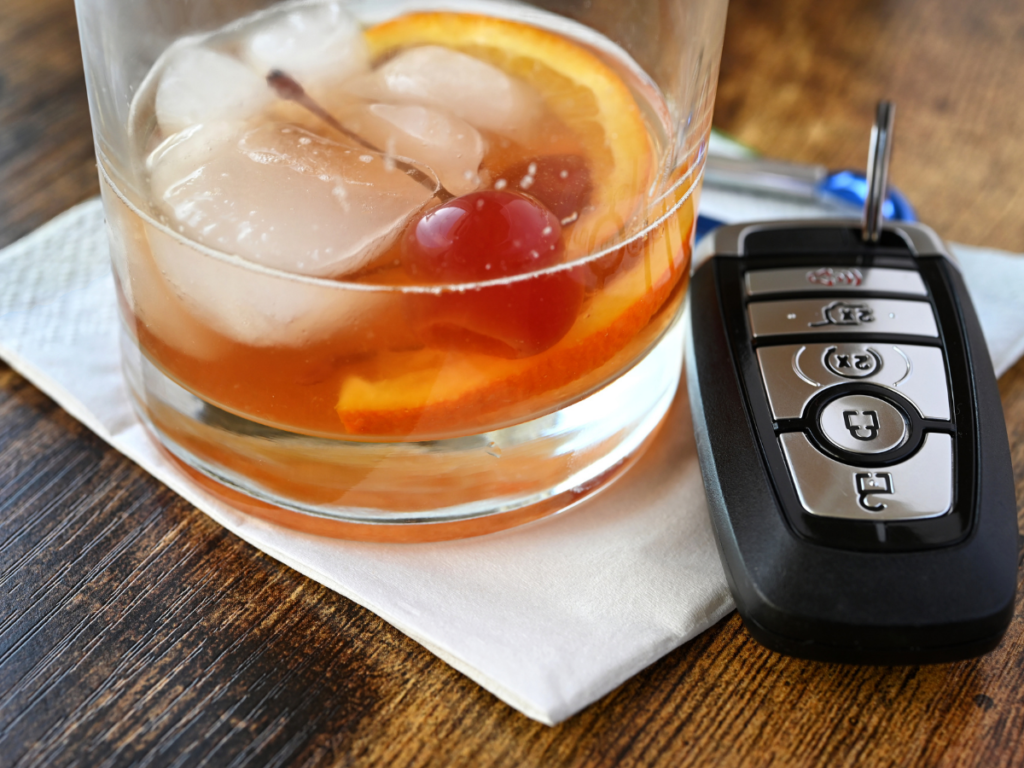
For a commercial driver, a DUI charge can place your commercial driver’s license at risk. You could lose your job, your income, and the ability to support your family, even if you were off duty and driving a personal vehicle.
Kylie Whitaker and Ehren Penix are experienced Dillon commercial driver DUI defense attorneys. The legal team at Whitaker & Penix, LLC can inform you about the best legal strategies for protecting your livelihood and your license.
Colorado BAC Limits for Commercial and Personal Vehicles
The vehicle involved in an alleged DUI case matters because different alcohol standards can apply. For most Colorado motorists driving personal vehicles, a blood alcohol concentration (BAC) of 0.08% or higher can support a DUI per se charge.
Commercial vehicles are subject to stricter alcohol-related rules. The law imposes a 0.04% BAC DUI limit for CDL drivers.
A DUI in Your Personal Vehicle May Cause CDL Disqualification
Federal commercial licensing rules generally require a one-year commercial driving disqualification for a first qualifying DUI offense, including certain offenses involving a noncommercial vehicle.
A second qualifying major offense arising from a separate incident can carry dramatically more severe consequences, including lifetime disqualification under federal rules.
Colorado law also includes sanctions against commercial driving privileges for conviction of a DUI or DWAI (Driving While Ability Impaired).
Defending Commercial Drivers Against DUI Charges
Police generally need a lawful basis for stopping a vehicle. Depending on the circumstances, an officer might claim to have observed speeding, weaving, failure to maintain a lane, an equipment violation, or another traffic offense.
A Dillon criminal defense lawyer can examine dash-camera video, body-camera recordings, police reports, dispatch records, witness accounts, and other available evidence to determine whether the officer’s stated justification matches what actually occurred.
If a stop violated a driver’s constitutional protections, the defense may seek suppression of evidence obtained as a result. Excluding important evidence can substantially change the prosecution’s case.
Did the Officer Have Grounds to Begin a DUI Investigation?
A lawful traffic stop does not automatically establish lawful grounds for every investigative step that follows. Officers may point to alleged indicators such as an odor of alcohol, bloodshot eyes, slurred speech, fumbling with documents, admissions about drinking, or unusual behavior. But these observations deserve careful scrutiny.
There may be innocent explanations for some alleged signs of impairment. Your attorney will examine the context in which those observations occurred. For example, fatigue, allergies, weather, stress, medical conditions, or simply being nervous during a late-night police encounter can affect how someone looks or behaves.
Challenging Field Sobriety Tests
Field sobriety testing can become important evidence in a Colorado DUI prosecution, but test performance is not automatically proof of intoxication.
Roadside conditions can affect performance. Uneven pavement, snow, ice, poor lighting, inappropriate footwear, fatigue, physical injuries, balance problems, and difficulty understanding instructions may all influence how a person performs.
A defense attorney can review video footage to compare an officer’s written conclusions with the driver’s actual performance. Sometimes the recording provides a more complete picture than the report.
Scrutinizing Breath-Test Evidence
Breath-test results can appear definitive, but chemical testing should not be accepted without examination. Depending on the testing method and circumstances, a defense investigation may consider whether required procedures were followed, whether the equipment was properly maintained, whether the operator was appropriately qualified, and whether circumstances surrounding the sample could have affected reliability.
Timing also matters. A person’s BAC changes as alcohol is absorbed and eliminated. The prosecution must prove the required elements of the charged offense rather than simply point to a number and assume the case is over.
Potential Issues With Blood-Test Evidence
Blood evidence may raise a different set of questions. A defense investigation can examine how the sample was collected, labeled, preserved, transported, stored, and analyzed. Attorneys can also review documentation regarding laboratory procedures, equipment, chain of custody, and quality-control measures.
Unexplained discrepancies, improper procedures, contamination concerns, or weaknesses in the chain of custody may provide grounds to challenge the prosecution’s conclusions.
Colorado’s Administrative Licensing Process
Colorado has a separate administrative process through the Department of Revenue that can affect driving privileges after an alcohol-related arrest. Depending on whether the case involves a breath test, refusal, or blood test, different procedures and deadlines may apply.
Following a breath-test case or refusal, a driver generally has seven days to request a hearing. In a blood-test DUI case, the driver generally retains the license until results are presented to the Department, after which the DMV provides a response period for requesting a hearing.
Missing a deadline can eliminate an important opportunity to challenge an administrative restraint. That makes quick action critical. A comprehensive defense strategy should address both the courtroom case and the licensing case instead of treating one as an afterthought.
Speak With an Experienced Dillon CDL Driver DUI Attorney
At Whitaker & Penix, LLC, our attorneys have extensive experience defending drivers against DUI charges. Attorney Kylie Whitaker brings seven years of experience as a criminal prosecutor and former assistant district attorney in Colorado courts. She has also been recognized as a Colorado Rising Star by Super Lawyers. Attorney Ehren Penix has experience as both a former criminal prosecutor and private-practice attorney
If you are a commercial driver who has been accused of DUI in Dillon, speak with Whitaker & Penix, LLC about your options.
Call (970) 368-0602 for a free consultation today.
FAQs About How DUI Charges Can Affect Your CDL
Can I lose my CDL for a DUI in my personal vehicle in Colorado?
Yes. A DUI involving your personal vehicle can potentially result in CDL disqualification even though you were not operating a commercial motor vehicle at the time. Commercial drivers are subject to additional state and federal licensing rules, making it important to consider CDL consequences when developing a defense.
How long can my CDL be disqualified after a first DUI?
A first qualifying DUI offense can generally result in a one-year CDL disqualification. The consequences may be more severe for subsequent qualifying offenses.
Is the legal BAC limit different for commercial drivers in Colorado?
Commercial motor vehicle drivers are subject to a stricter 0.04% BAC standard while operating a commercial vehicle.