
Marijuana DUI and THC Testing Laws in Summit County
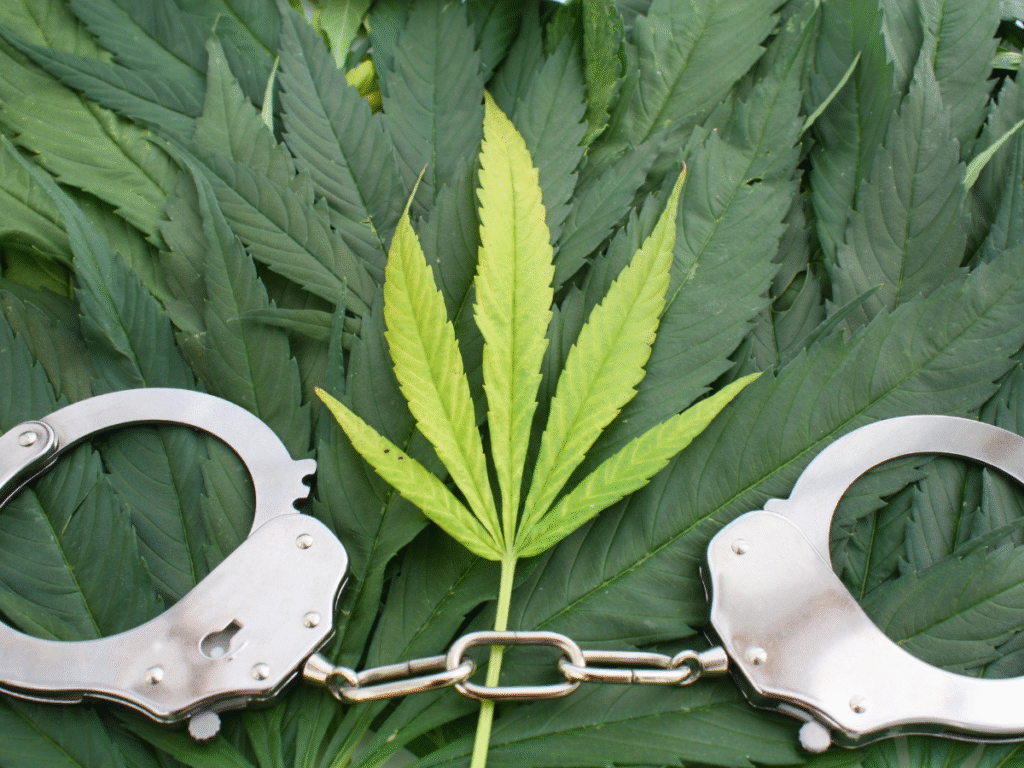
With recreational marijuana now legal in Colorado, many residents and visitors aren’t fully aware of the possible legal consequences for driving after using cannabis. But law enforcement agencies in Summit County and across the state take drugged driving seriously. THC-related DUIs carry penalties that are just as severe as DUIs for drunk driving.
Colorado has established strict legal standards for THC levels in the bloodstream, but proving impairment is not always straightforward. In fact, the science behind cannabis impairment and how it affects drivers is hotly debated, especially when it comes to drug test reliability.
The experienced Breckenridge marijuana defense attorneys at Whitaker & Penix, LLC have the local courtroom experience and technical knowledge to challenge flawed testing and fight unfair charges.
Marijuana DUI Law in Colorado
In Colorado, driving under the influence of marijuana falls under the same DUI statute as alcohol. The law prohibits operating a vehicle while impaired “to the slightest degree” by any drug, including legally purchased cannabis.
Even if you purchased marijuana from a licensed dispensary and consumed it legally, you could still face arrest and prosecution for drugged driving if an officer believes your ability to drive was impaired.
Colorado’s THC Blood Limit
Unlike alcohol, where clear correlations exist between BAC and impairment, THC affects individuals differently based on body chemistry, frequency of use, metabolism, and other factors.
One of the most controversial components of marijuana DUI law in Colorado is the five-nanogram THC blood limit. Under C.R.S. § 42-4-1301:
- If a blood test shows five nanograms or more of active THC per milliliter of whole blood, it creates a permissible inference that the driver was under the influence of marijuana.
This does not mean automatic guilt, but it does give the prosecution significant leverage.
When Can Police Drug Test Drivers?
If any of these signs are present, an officer may request a blood draw to test for THC levels:
- Driving too slowly or erratically
- Bloodshot eyes or dilated pupils
- Odor of marijuana in the car
- Driver admission of recent use
- Presence of cannabis products in the vehicle
Refusing to comply with testing can trigger license suspension under Colorado’s Express Consent Law.
How Reliable Is THC Testing?
Blood testing is currently the standard for determining THC concentration, but it has several significant flaws:
- Timing Matters: THC levels drop quickly after use. If a blood test is delayed, results may not reflect levels at the time of driving.
- Residual THC: Regular users may have over five nanograms in their system at all times, even when sober.
- Metabolism Varies: Some people break down THC faster than others, meaning impairment does not match nanogram readings.
Defending Against THC DUI Charges
In many cases, a DUI charge is based more on perceived impairment than science. This is why a strong DUI defense for drugged driving must challenge both the interpretation of test results and the subjective judgments made by police during arrest. At Whitaker & Penix, LLC, we focus on building smart, fact-driven defenses for individuals facing marijuana DUI charges.
Challenging the THC Blood Limit
We work with forensic toxicologists to question the reliability of the THC blood limit and explain how five nanograms may not indicate impairment.
Investigating Arrest Procedures
Officers must follow strict protocols when collecting and testing blood samples. We examine whether your rights were violated, whether consent was properly obtained, and whether the chain of custody for the sample was preserved.
Disputing the Officer’s Observations
Many DUI marijuana cases rely heavily on the arresting officer’s claims of “bloodshot eyes” or “slowed responses.” These observations are subjective and often influenced by bias or lack of medical training.
Presenting Evidence of Sobriety
We gather evidence that shows you were not impaired at the time of driving. This might include dashcam footage, GPS tracking, witness testimony, or expert reporting.
What Are the Penalties for a Marijuana DUI in Colorado?
Penalties for a marijuana-related DUI can be severe:
First Offense
- Up to one year in jail
- License suspension
- Fines up to $1,000
- Mandatory drug education classes
- Community service
Repeat Offenses or Aggravating Factors
- Increased jail time
- Longer license revocation
- Probation or monitored sobriety
What to Do if You’re Arrested for THC DUI in Summit County
- Remain Calm and Cooperative – Don’t argue with the officer or refuse lawful orders.
- Do Not Volunteer Information – You’re not required to answer questions about when or how much cannabis you used.
- Ask for an Attorney Immediately – Politely request legal counsel before submitting to questioning.
- Document Everything – As soon as possible, write down what happened before, during, and after your arrest.
- Contact a Summit County drug crime attorney right away.
Reasons to Choose Whitaker & Penix, LLC
Attorneys Kylie Whitaker and Ehren Penix are both former prosecutors. We offer our clients in-depth legal knowledge, tireless case preparation, and the ability to challenge unreliable evidence. Our services include:
- Local Insight: We know how Summit County courts and prosecutors operate and how to navigate these unique cases effectively.
- Technical Expertise: We understand the science behind THC testing and collaborate with leading toxicology experts when needed.
- Personal Attention: You won’t get lost in a big-firm shuffle. We handle each case with care, diligence, and a commitment to real results.
- Trial Experience: If your case needs to go to trial, we’re prepared. Both Kylie Whitaker and Ehren Penix bring significant trial backgrounds, including years as former prosecutors.
Speak With a Trusted Marijuana DUI Defense Lawyer in Summit County
If you’re facing a THC DUI in Summit County, don’t leave your future to chance. Let Whitaker & Penix, LLC help you challenge the charges, protect your license, and build a strong defense based on facts, not assumptions.
Call (970) 368-0602 to schedule your free consultation today.